
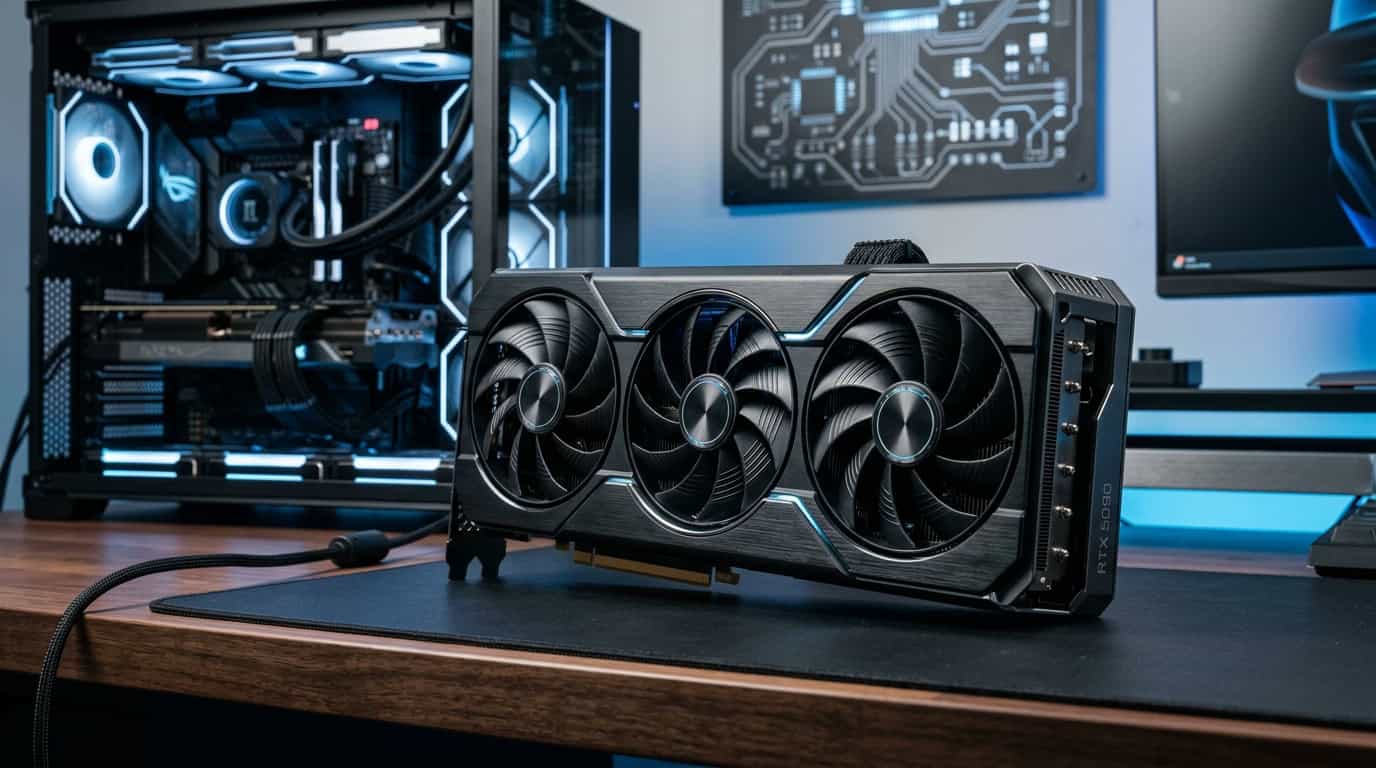
If you’ve priced a graphics card lately and felt your stomach drop, you’re not imagining things. A card that launched at $549 now often sells for well over $700, and flagship models have climbed into territory that used to buy an entire gaming PC. So why are graphics cards so expensive right now, and is there anything you can do about it?
The short version is that this isn’t a repeat of the crypto-mining frenzy of 2021. The pressure this time starts with memory chips, and the AI industry is buying up most of them.
The Quick Answer
Prices are high in 2026 because of five forces working together:
- AI data centers are absorbing the world’s supply of high-speed memory
- Memory (VRAM) now makes up a much larger share of what a card costs to build
- Chipmakers favor their far more profitable AI products
- There’s little competition at the high end to push prices down
- Street prices often run well above the official launch price
Here’s how each one works.
1. AI Is Swallowing the Memory Supply
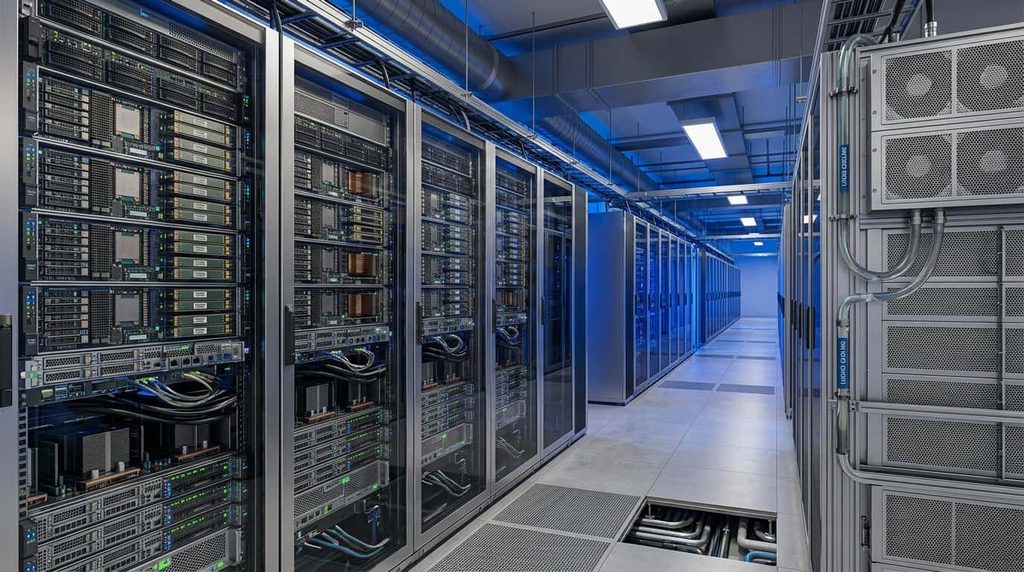
Every graphics card needs fast memory placed around the GPU chip. Gaming cards use GDDR6 or GDDR7, while AI accelerators use an even more demanding type called HBM (high-bandwidth memory). All of it comes from the same small group of manufacturers: Samsung, SK Hynix, and Micron.
The AI boom has changed their priorities. Companies are building data centers at an enormous pace, and each AI server needs huge amounts of memory. Memory makers have responded by steering their best production capacity toward those high-paying server customers. TrendForce’s latest outlook says suppliers are still putting advanced manufacturing capacity into server products, which keeps the overall market undersupplied.
Gamers are essentially standing in line behind buyers who can pay far more per chip.
2. Memory Is Now the Biggest Cost on a GPU
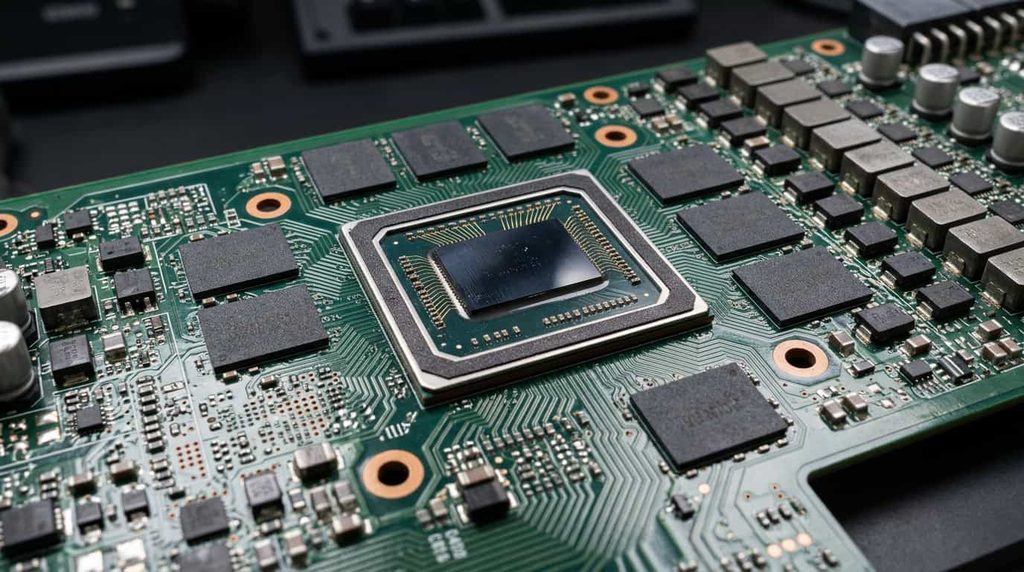
For years, the GPU processor itself was the priciest part of a graphics card. That has flipped. Industry reports suggest VRAM can account for more than 80% of the total parts cost on some high-end cards.
Here’s a rough way to see it. An RTX 5090 carries sixteen 2GB GDDR7 chips, and at around $20 each, memory alone adds up to about $320 per card. Treat that as an estimate, since contract prices aren’t public, but it shows why even a small bump in memory costs travels straight to the price tag.
The supply picture isn’t improving fast. TrendForce notes that suppliers are scaling back GDDR6 production and slowly exiting that market, while GDDR7 output is held back because advanced capacity is being redirected to server memory. The older, cheaper option is fading just as the newer one is stretched thin.
3. Nvidia and AMD Have Bigger Profits Elsewhere
Both companies can sell silicon and memory into data centers at far higher margins than they earn on a gaming card. That doesn’t mean they’ve abandoned PC gamers, but when supply is tight, consumer cards get a smaller slice and less reason to be priced aggressively.
Reports this year describe a pattern of repeated increases. One European price tracker says Nvidia has now raised prices three times in 2026, by 20 to 30% on some models. On AMD’s side, outlets including Wccftech and TechPowerUp reported that AMD told its board partners the memory it supplies with Radeon GPUs got more expensive on October 1. AMD hasn’t publicly confirmed it, but it matters because Radeon had been the last relatively affordable lane in the market.
4. Limited Competition Keeps Prices High
Nvidia controls the overwhelming majority of the discrete GPU market, while AMD has concentrated on mid-range and value cards. Intel’s Arc line helps at the budget end, but nobody is seriously challenging the top of the stack. When one company effectively owns the flagship tier, it can hold or raise prices without losing many buyers.
That’s why the top of the range has moved the most, as the numbers below show.
5. Bigger Cards Cost More to Build
Even setting memory aside, modern high-end cards are expensive to manufacture. They need larger coolers, stronger power delivery, thicker circuit boards, and more testing than cards from a few years ago. Add shipping, trade-policy uncertainty, and the margins that board partners like ASUS, MSI, and Gigabyte need, and the final price creeps up at every step.
How Much Have Prices Actually Risen?
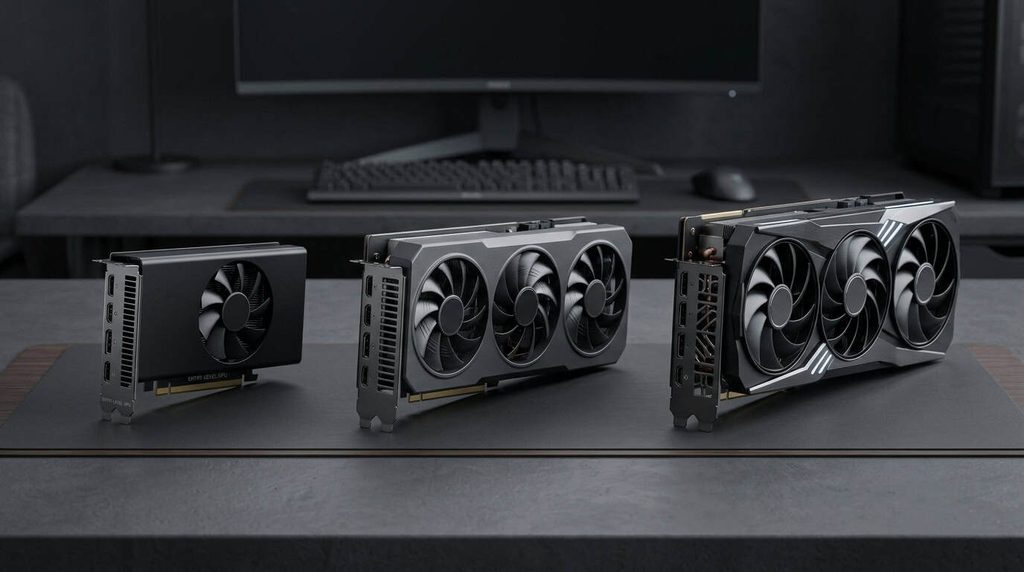
Prices vary by store and change constantly, but one resale-market tracker (BuySellRam) compared the lowest new-condition asking prices between early August and mid-October 2026:
| Card | Aug 8 | Oct 11 | Change |
|---|---|---|---|
| RTX 5090 32GB | $3,004 | $4,921 | +64% |
| RTX 5080 16GB | $1,250 | $1,450 | +16% |
| RTX 5070 Ti 16GB | $887 | $1,008 | +14% |
| RTX 5070 12GB | $579 | $725 | +25% |
| RTX 5060 Ti 16GB | $590 | $618 | +5% |
| RTX 5060 8GB | $320 | $400 | +25% |
These are asking-price floors, not guaranteed checkout prices.
Cards with more memory have generally been hit hardest. The RTX 5070, which launched at $549, now sits roughly 32% above its original price. The pattern isn’t limited to the U.S. either: in Germany, RTX 50-series cards are reportedly up 66% on average, with the RTX 5090 up 132%.
Is This the Same as the 2021 GPU Shortage?
Not quite, and the difference matters. The 2020 to 2021 shortage came from crypto miners and pandemic shoppers competing for finished cards, and it faded once mining profits collapsed. The 2026 problem sits on the supply side, with AI infrastructure absorbing memory capacity. That makes it more structural and much less likely to reverse overnight.
It also means there’s no mining crash coming to flood the used market with cheap cards.
Will GPU Prices Come Down?
Probably not soon, though the sharpest climb may be behind us.
The encouraging news is that TrendForce expects memory prices to keep rising in the fourth quarter, but at a slower pace than earlier this year. Slower increases aren’t falling prices, but they suggest the spike is flattening. You can read the details in TrendForce’s Q4 2026 memory outlook.
The cautious side is that the same research says PC memory supply could shrink in 2027 as more capacity moves to servers. Some industry coverage even suggests next-generation gaming GPUs could slip toward 2028. These are forecasts, not guarantees, but they’re a good reason not to build your budget around a quick drop.
What Should You Do If You Need a GPU Now?
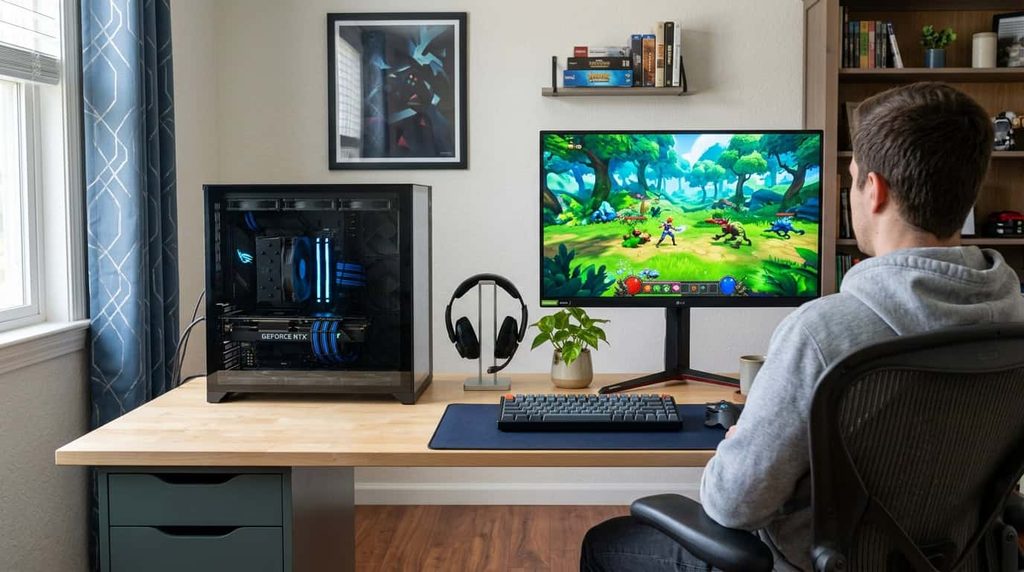
Waiting forever isn’t realistic if your current card is struggling. Here’s how to spend smartly.
Buy for your resolution, not for bragging rights. The best graphics card for you is the least expensive one that runs your monitor comfortably. For 1080p, an RTX 5060 or RX 9060-class card is plenty. At 1440p, look at the 5070 or 5070 Ti tier. The 4K flagships are where prices have strayed furthest, and few people truly need them.
Don’t skimp on VRAM if you can avoid it. Newer games increasingly want 12GB or more at high settings. In this market, a 16GB mid-range card often makes more sense than an 8GB model that may feel dated in two years.
Consider last-generation and open-box deals. Previous-generation cards, open-box returns, and manufacturer-refurbished units from reputable sellers can save real money. Stick with sellers that have solid return policies, and be wary of marketplace listings that look too good to be true.
Track prices before you buy. Set alerts at Newegg, Best Buy, Amazon, and Micro Center, and use PCPartPicker to check whether a “sale” is actually a deal. Prices have been shifting week to week, so a few days of patience can save you $50 to $100.
Skip the upgrade if your card still works. If you’re getting 60+ FPS in the games you play, doing nothing may be the smartest move this year. Lowering a few settings or turning on DLSS or FSR upscaling can stretch an older card by a generation.
Frequently Asked Questions
Are GPU prices going to keep rising?
Increases are expected to slow, but analysts don’t see real relief in the near term. Memory supply is the thing to watch.
Is it better to buy now or wait?
If your current card handles your games, waiting costs you little. If you need an upgrade for work or a game you can’t run, a sensible mid-range card now beats paying more later for something bigger than you need.
Why do AMD cards cost less than Nvidia?
AMD focuses on value and mid-range, and its cards have historically carried lower margins. That cushion has been shrinking as memory costs rise.
Will used GPUs get cheaper?
Unlikely for now. Used prices have been climbing alongside new ones because buyers are looking for alternatives.
The Bottom Line
So, why are graphics cards so expensive in 2026? Because the memory chips that power AI data centers also power your gaming PC, and the data centers are winning the bidding war. Add thin competition and rising build costs, and you get prices that feel disconnected from what most gamers can reasonably pay.
You can’t change the market, but you can avoid its worst traps: buy for your actual needs, compare prices before checking out, and don’t feel pushed toward the most expensive card on the shelf. For most people, the smartest purchase is a fairly priced mid-range GPU that does exactly what they need.